I was too young to understand the difference between my sister’s 1990s era hearing aids and the cochlear implant she undertook at the turn of the century. But I remember helping her take photos of her surgery scar to document her journey for others, seeing the magnet magically connect to her skull and examining the single wire that could connect a CD player directly into the processor in place of earphones. As she became an adult she was able to rely on lip reading less and less, use a telephone and receive the kinds of sounds I have taken for granted my entire life.
This is one of my earliest memories of being in awe of technology. It’s the story with which I began a workshop in Accra two years ago, with a group of 20 journalists from across the country.
The workshop was part of an initiative to nurture the science, tech and innovation (ST&I) ecosystem in Ghana, by increasing the frequency and quality of reporting on these subjects. Over a week-long programme, 20 journalists undertook training to deepen their understanding of ST&I, enhance ethical reporting skills and foster engagement with experts in the field.
“I still don’t understand how it works,” I told the room. “But I know what it made possible. And now you do too.”
Journalists nodded and shared their own stories around the listening circle. None were tech reporters; they covered politics, health, business and local news. They had been invited into this room to talk about science, tech and innovation because, increasingly, everyone has to.
Together, we pinpointed the invisible elements across ST&I that we were all unknowingly describing in our stories. Health interventions made possible by biotechnology, internet access made possible by solar panels and the internet of things, agriculture tools made possible with sensors and open data.
A room full of people who entered feeling like imposters in the world of tech were spinning stories about its value and potential. And we were only 20 minutes in.
The programme set out with a belief that Ghana’s own media could help drive economic development and scientific progress across the country, but there was more at stake than these core objectives. In a world where tech is an unstoppable force, who gets to narrate a continent's relationship with technology?
The UK's tech journalism has had half a century to mature. In comparison, Ghana’s narrative began decades later, with Tech Nova the most notable example, formalised in 2017. That was the year bitcoin rocketed, AI became mainstream and social media platforms testified publicly about Russian interference in the 2016 US election. Ghana’s infrastructure for tech journalism started building alongside a powerful global narrative that was already racing, complex and daunting. One it had had minimal authorship in so far.
We know that tech sovereignty is to have the power to self-determine, and ensure identities are built on the terms of those who win or lose from it, not the terms of whoever got there first. A narrative written entirely by outsiders, however well-intentioned, is still someone else's terms. In order to own and shape that narrative, the people writing confidently about that unstoppable force in Ghana need to be those who live in it.
Faced with a complex, technical product, some journalists admitted they felt they could only print exactly what the expert said themselves, jargon and all. They felt stranded by their own responsibility for accuracy. They feared that in seeking clarity, they would misappropriate this responsibility.

We used this statement from UX specialist Caroline Jarrett to turn that paralysis on its head and discuss an alternative scenario: . If they couldn’t understand it, their readers surely wouldn’t either.
We've written before about the role griots play in bridging evidence and impact - someone who tells the stories of why innovative solutions matter, connecting ideas to human experiences and making the abstract tangible enough to inspire action.
For these 20 journalists, their authority comes from their closeness to a community and their skill at carrying meaning across a gap. While we focussed the workshop on tech stories, the real shift for journalists as they took these lessons back to their working days was about embracing one’s imposter syndrome as a superpower, and using that to interrogate, translate and contextualise complexity for their readers and listeners.
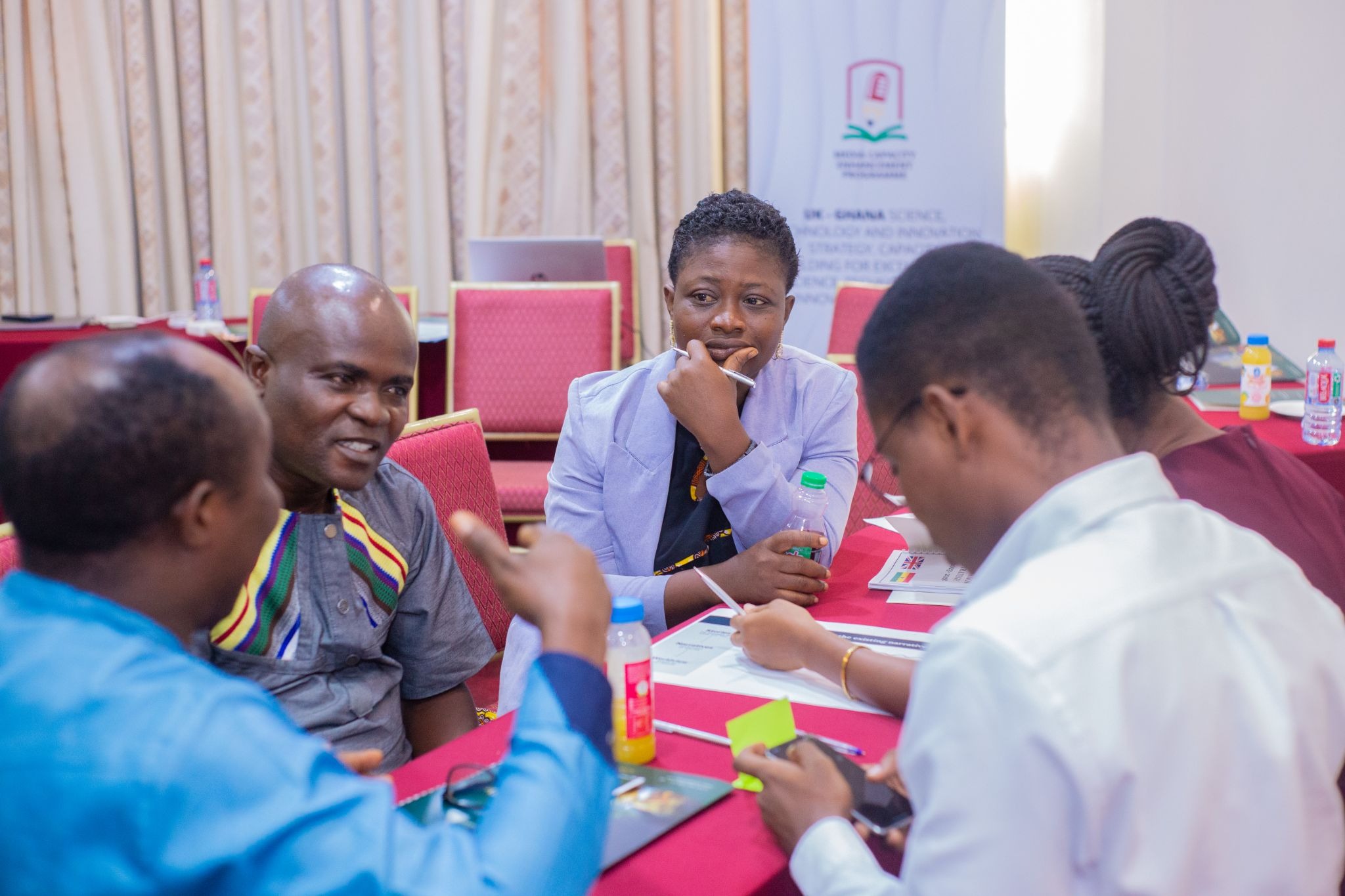
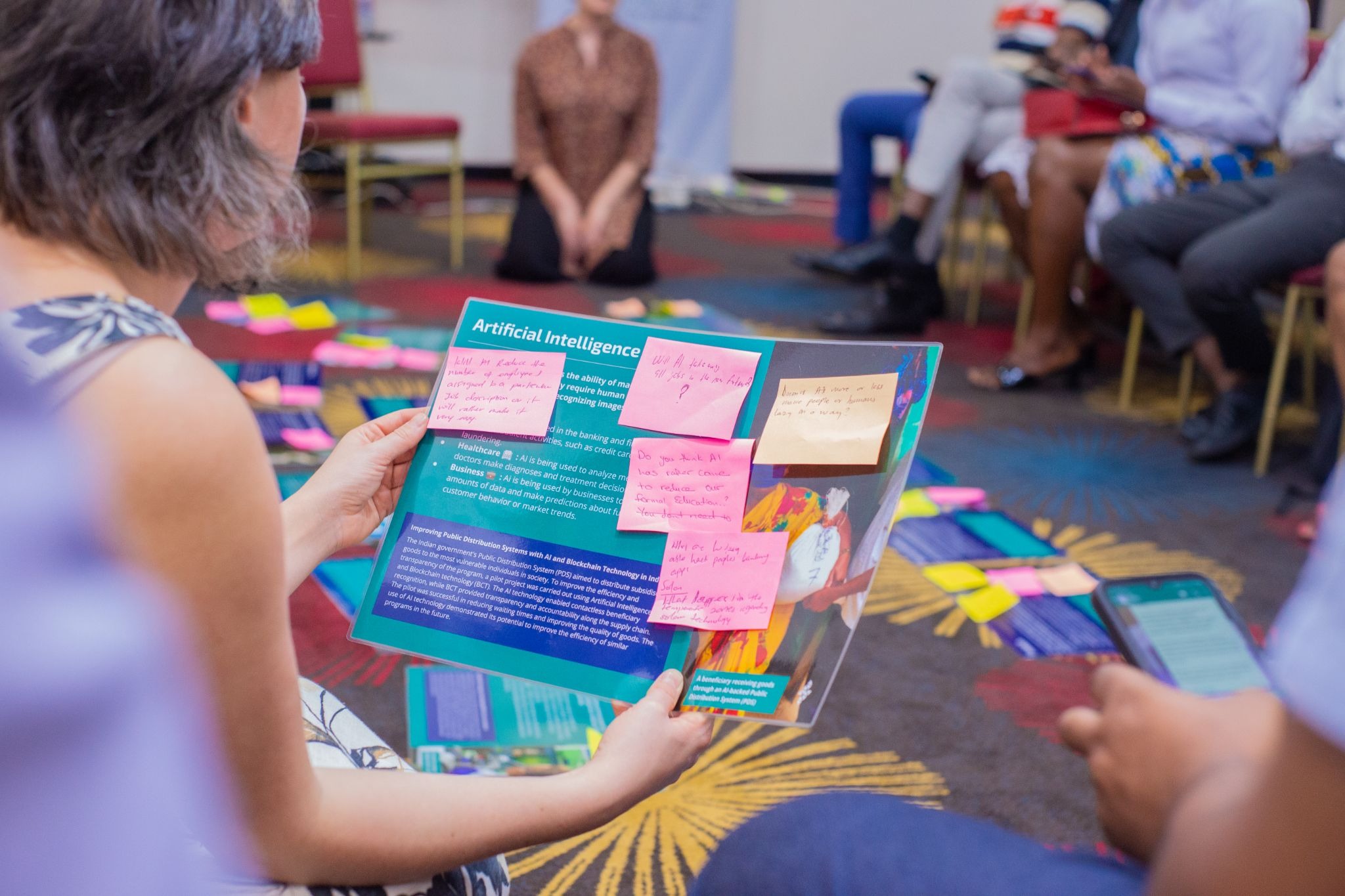
We validated our hypothesis around experiential learning: by getting journalists hands on with the technologies they’re meant to write about, their levels of confidence to write about it (and permission to interrogate it) increased.
The session borrowed from an ideation format we designed for use with FCDO staff. Selecting a problem and a range of technologies, they designed solution ideas. We worked with an associate, Daniel Amewor, who designed local problems that would resonate with the journalists, like access to clean water, youth unemployment, smallholder agriculture, waste management and digital inclusion.
Confidence levels went from low to middling to full marks across the team, and the atmosphere was celebratory as we closed. One participant, a medical journalist, shared her reflections afterwards on LinkedIn.
“Their task was to transform a room filled with journalists, who had little knowledge and many anxieties about technology (especially AI), into technology innovators. The fact that I'm writing this post is a testament to their incredible success.” - Neta Parsram
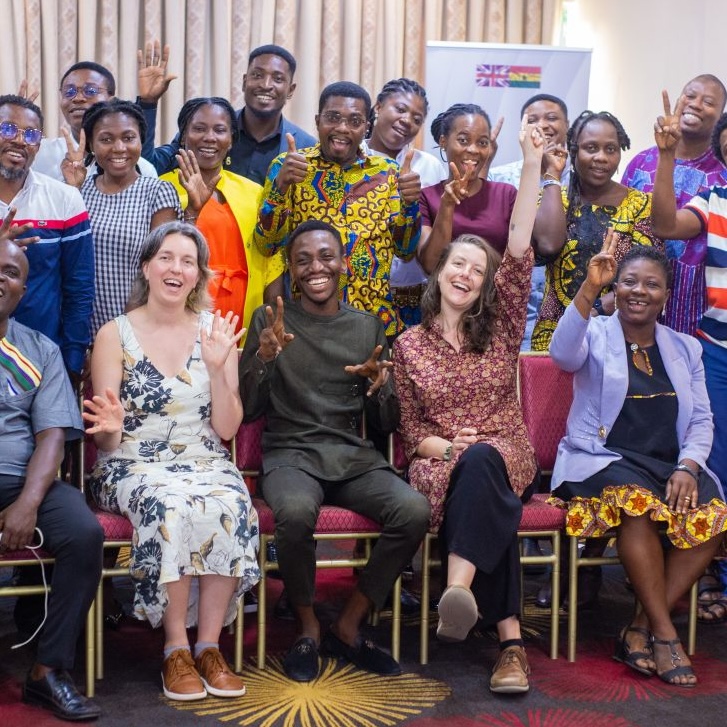
Since the pilot programme, around 50 journalists have gone through the training. Science and tech coverage in Ghana has visibly increased, including reporting on UK–Ghana innovation collaborations specifically. One participant from the 2025 cohort, Godwin Asediba, went on to win the BBC’s Komla Dumor Award and was named Ghana’s Journalist of the Year, before joining the BBC Africa team.
The programme has grown too. It now sends the most promising journalists from each cohort to the UK, for time at Imperial College and visits to research infrastructure and startups, and has expanded to include participants from Nigeria. This year, we welcomed 23 journalists from Ghana and Nigeria to a space in London for another workshop.
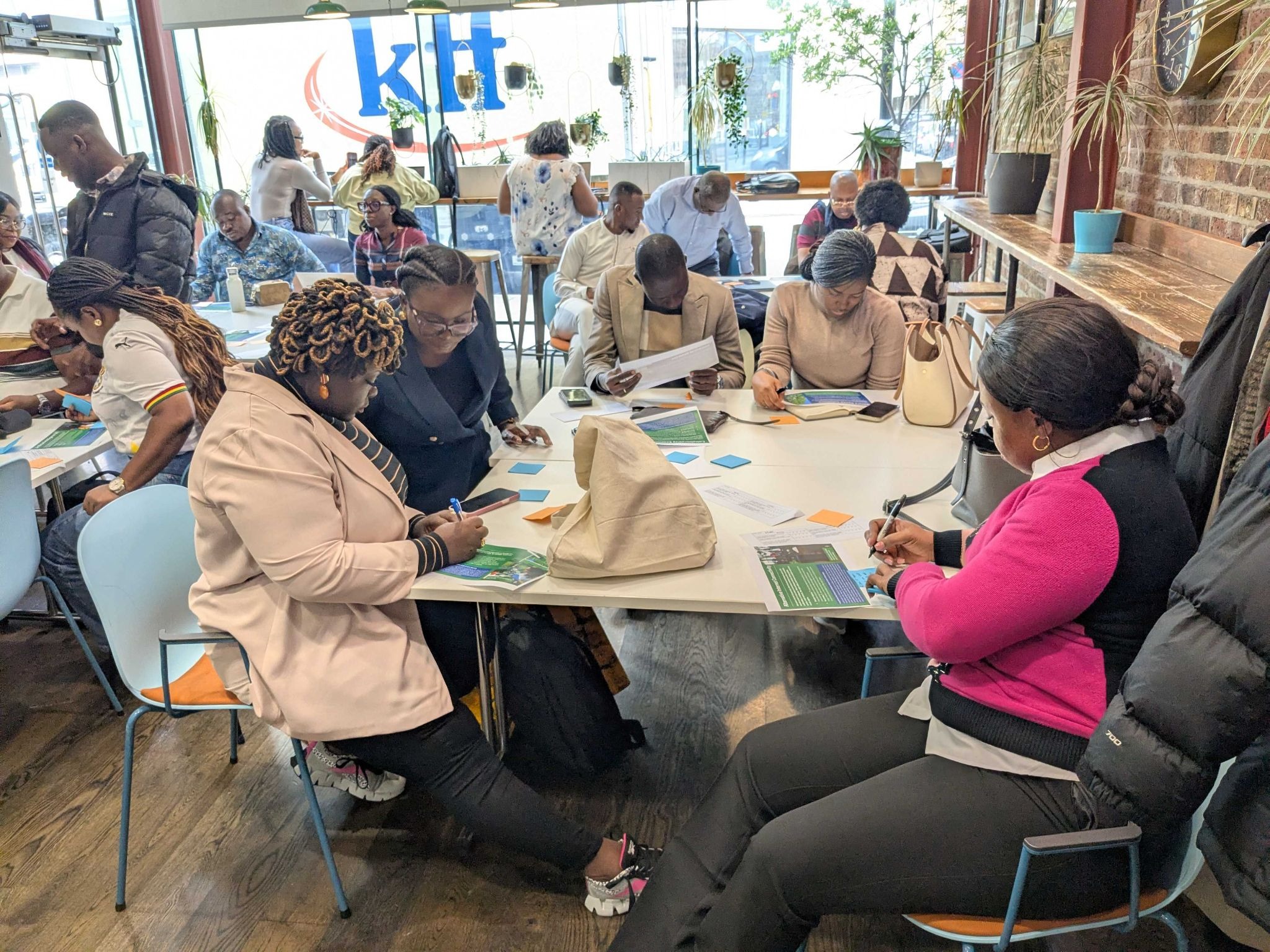
One participant said she draws her motivation from her two sons, who push her to embrace tech optimism. Another said she sees tech innovation as the way to build the country she wants to see.
Two years on, Neta’s reflections from 2024 still ring true. It seems we are on our way to nurturing a forward-looking ecosystem, shaped by the storytellers within it.
“We must remember that the prevailing narrative is a cumulative result of all the stories told. By consciously featuring the positive applications of emerging technology, we can shift the broader conversation in a more constructive direction. Let’s harness the power of storytelling to inspire, educate, and catalyze meaningful change.”