
Funding implementation research to improve foundational literacy and numeracy across Sub-Saharan Africa.
Globally, there is now a wealth of evidence on effective ways to teach reading and mathematics, and much is known about how children learn and the principles behind strong foundational literacy and numeracy. Yet, despite this knowledge, complex education systems often struggle to put it into practice. The real challenge lies in implementing effective programs within the constraints and realities of local contexts.
uBoraBora works directly with organisations delivering education programmes to help them strengthen and expand their impact. By supporting teams to explore the ‘how’ and ‘why’ behind what works, uBoraBora helps them adapt proven approaches, learn from emerging challenges, and continuously refine solutions to achieve meaningful impact at scale.
Drawing from Swahili, ‘uBoraBora’ combines words for quality and better. The repetition of ‘better better’ captures the spirit of continuous improvement. It is both a name and a mantra for tackling challenges in education.
Brink Foundation, in partnership with Laterite and with seed funding from the Gates Foundation, designed and launched an Implementation Research Fund to support evidence-based adaptation and continuous improvement.
The portfolio was centred around three types of implementation challenge: adaptation, uptake and greater efficiencies.
Adapting effective FLN programmes in new contexts is hard because teams need to figure out what ingredients of their core programme can be changed while still maintaining the program’s original effectiveness. Adaptation might be required as implementers scale a programme to a new geography, with a new government partnership or to suit a new demographic of learners.
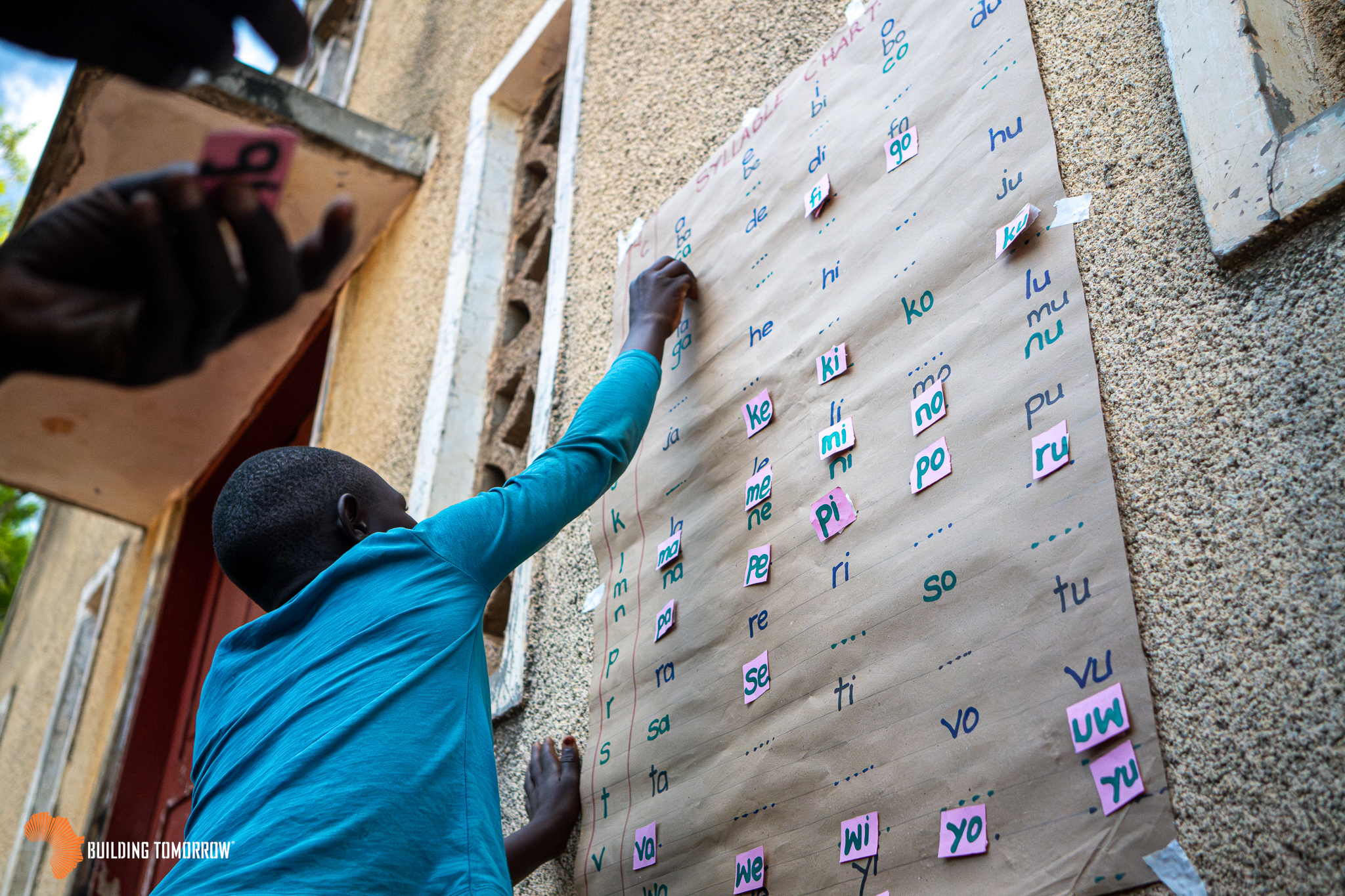
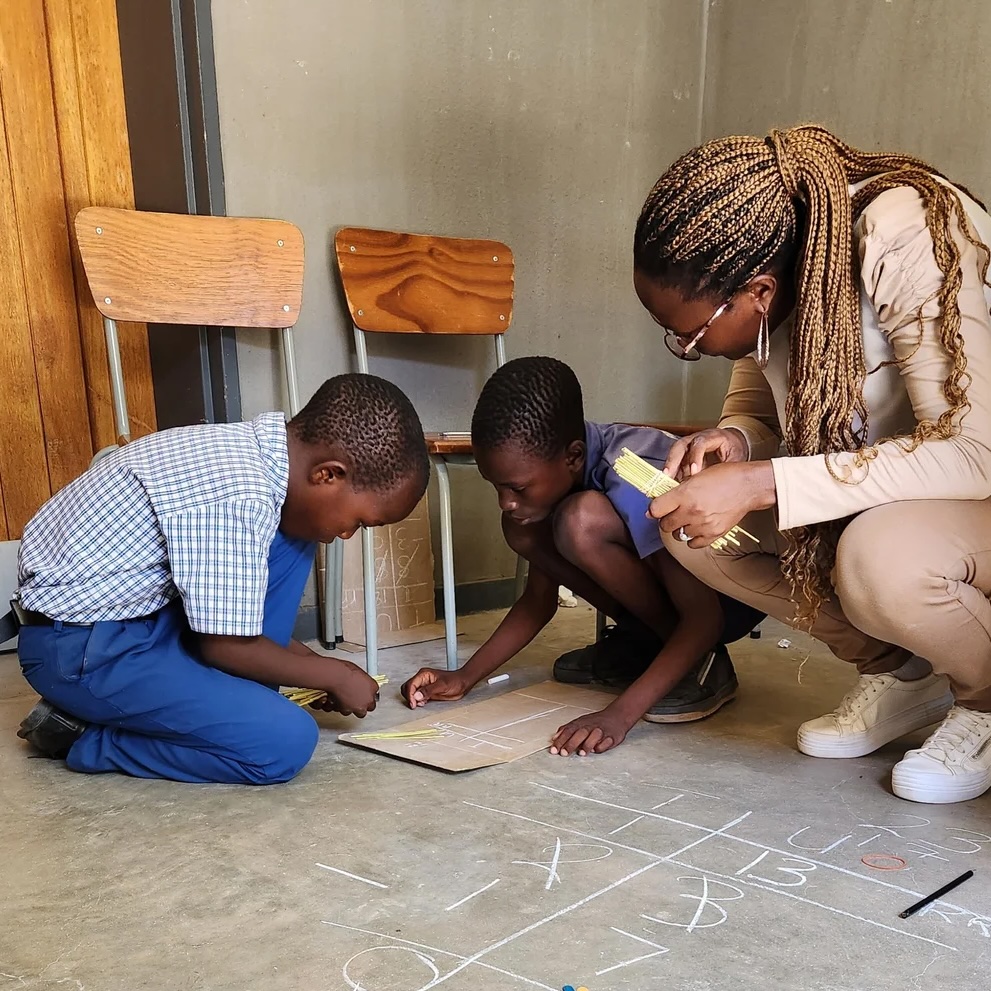
Grantees Building Tomorrow and Impact Network are investigating ways to adapt their core programme to tailor it to different contexts. In Zambia, Promise and the team at Impact Network are learning how to adapt their programme for government schools for the first time. In Uganda, Innocent and Dasan from Building Tomorrow have started their research by diving into existing data, before exploring ways to adapt their programme specifically to accelerate the progress of P4-P5 learners.
In implementation research, uptake refers to the extent to which a particular intervention or programme is adopted and used by the target audience or stakeholders. FLN implementers need to know what tweaks and adjustments they can make to ensure people really use the programme in the best way it was designed at scale.
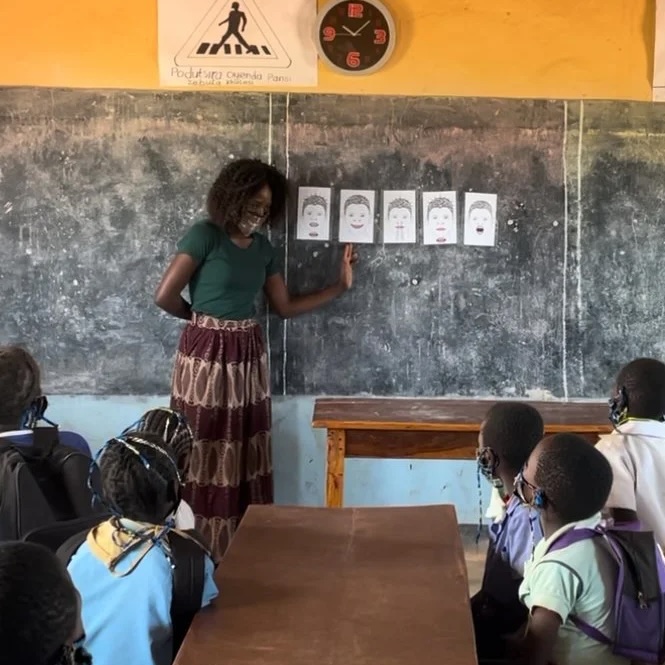
Meerkat Learning and VVOB are already implementing Teaching at the Right Level (TaRL) at scale. Their research will help to figure out how to improve teacher uptake of core TaRL pedagogy. Angelica and the Meerkat Learning team are focused on the role of education support officers while Kakula and Sharon at VVOB are exploring how to optimise existing peer-mentoring groups. Meanwhile, Rising Academies are also focused on improving uptake, with a specific focus on teacher guides. Afua and Anne-Fleur are looking across Sierra Leone, Liberia and Ghana to understand what makes a difference to teachers using Rising’s curriculum guides.
Creating greater efficiencies is all about maximising the effectiveness of the FLN program, while minimising the resources needed (for example, time, money or people power) to get excellent results. FLN implementers are always looking for ways to optimise their programme because this is key to unlocking scale and greater government adoption
Justice Rising and FHi360 focused on greater efficiency. Ee-Reh and the Justice Rising team are leading research to understand how to integrate school based alternatives to coaching in challenging conflict settings. Lizzie, Zahra and the team at FHi360 are learning more about what it takes to enable more productive and responsive teacher coaching at scale.
View more details about the portfolio of uBoraBora grantees here.

"When something didn’t work the first time, I used to feel like I’d failed, it was depressing. But through uBoraBora, I learned that you don’t have to worry about failure. It’s part of the process. You make pivots and you build resilience.”

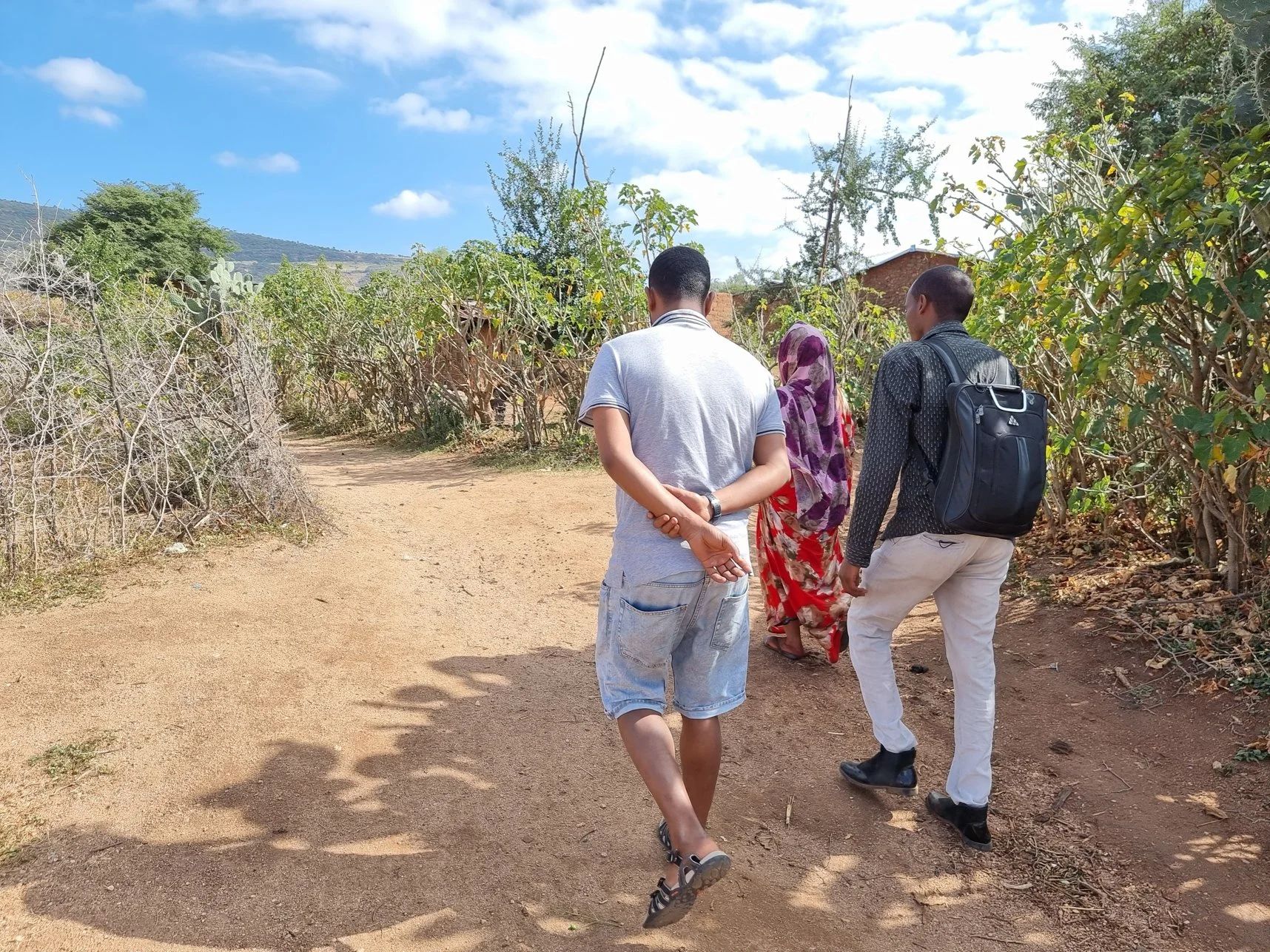
From the start, our approach focused on understanding the challenges implementers face in real-world contexts and providing flexible, tailored support that enabled teams to learn and adapt.
We combined grant funding with tailored technical assistance, collective learning, and an Evidence Studio to create an ecosystem where practical problem-solving, peer collaboration, and evidence generation, reinforced one another.
Our work included:
For more details on how we designed the fund and selected the portfolio, read Building a different type of fund to transform literacy and numeracy in Sub-Saharan Africa.

